

How to Spot the Signs of Expired Pet Grooming Products
Last Updated: October 30, 2026
Quick Summary
The signs of expired pet grooming products include a noticeably different smell, discoloration, texture changes, separation, cloudiness, or a date past the printed or period-after-opening window. Check smell, look, and feel before each use, and discard any product that fails even one check. Treating a suspect bottle as expired pet grooming waste is safer than using it on your dog.
- A 12M period-after-opening symbol means the product is good for 12 months after you first open it.
- Store products in a cool, dark cabinet away from heat, sunlight, and heaters.
- Never add tap water to stretch a product, and dispense into your hand or a cup first.
- Store leftover diluted concentrate in the refrigerator for no more than 24 hours and label it.
- If your dog reacts, stop using the product, rinse thoroughly with lukewarm water, and monitor for 24 to 48 hours.
Table of Contents
- Why Expired Pet Grooming Products Are a Real Risk
- Does Dog Shampoo Expire? What the Labels and Regulators Say
- Expired Dog Shampoo Signs: A Checklist for Every Grooming Product
- How Long Does Dog Shampoo Last After Opening?
- Dog Shampoo Storage Tips That Extend Shelf Life
- What to Do If Your Pet Reacts to a Product
- Safe Disposal and Handling of Concentrates and Diluted Products
- Restocking Grooming Essentials With Confidence at North Shore Pets
- Frequently Asked Questions
Why Expired Pet Grooming Products Are a Real Risk
Most pet owners never think to check a bottle of dog shampoo for a date.
The signs of expired pet grooming products are easy to miss, and that is exactly what makes them risky.
Here is the core problem: a product that has gone bad can strip your dog's coat of natural oils, trigger itching, or leave residue that attracts dirt.
Below, we walk through exactly how to check your grooming products, spot the warning signs, and know when to toss a bottle.
Does Dog Shampoo Expire? What the Labels and Regulators Say
Yes, dog shampoo expires. Most grooming products carry a shelf life, and that clock starts ticking faster once you open the bottle.
The tricky part is that there is no single rule that applies to every product. As the FDA guidance on animal grooming aids explains, official rules cover what these products are for, not a fixed expiration period that fits every bottle.
That means the label is your best source. Here is what to look for:
- A printed expiration or best-by date on the bottle or box.
- A period-after-opening symbol, a small jar icon with a number and "M" inside, showing how many months the product stays good once opened.
- A batch code, a string of letters and numbers used for tracking, which you may need to check with the manufacturer.
Reading Batch Codes and Period-After-Opening Symbols
Batch codes are not expiration dates. They identify when and where a product was made, and most manufacturers can decode them if you contact them directly.
The period-after-opening symbol is more useful for everyday use. A "12M" inside the jar icon means the product is good for 12 months after you first open it.
What most guides miss is what to do when the date is rubbed off or missing entirely.
Expired Dog Shampoo Signs: A Checklist for Every Grooming Product
Spotting a spoiled product comes down to your senses. Check smell, look, and feel before every few baths, and you will catch most problems early.
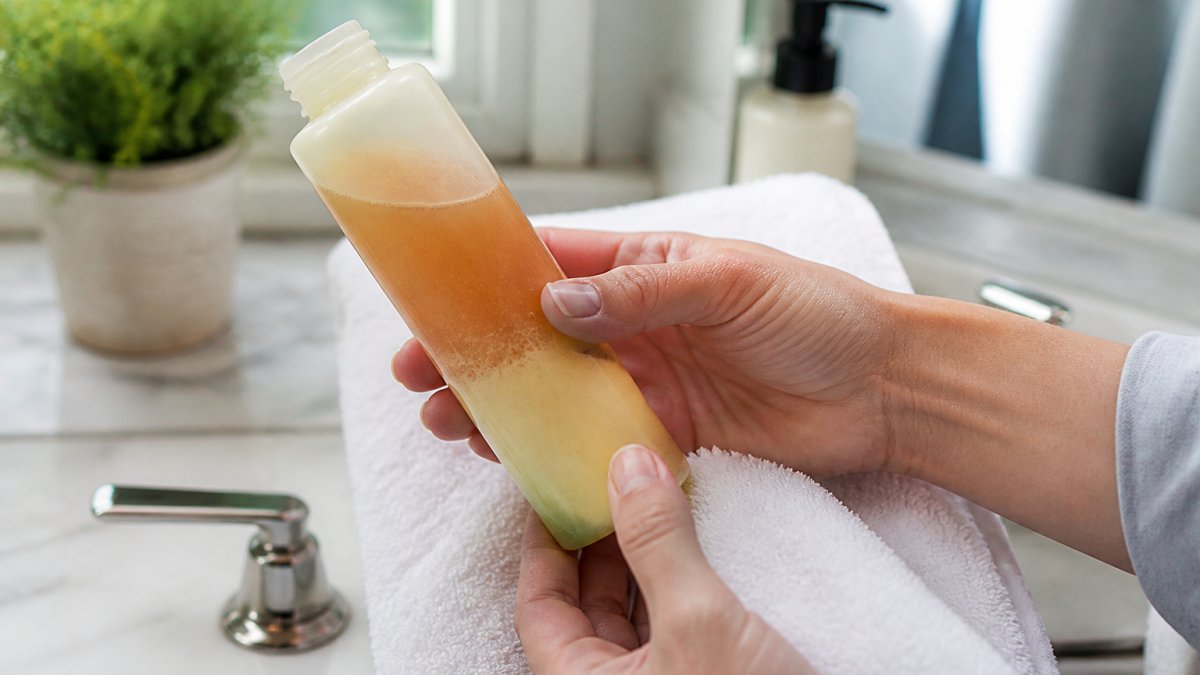
The Isle of Dogs grooming product guidance puts it simply: discard a product if its smell is noticeably different from when it was new, if its appearance is unusual, or if its texture has changed.
Use this checklist before each use:
- Smell: Does it have an odd odor or bad smell compared to when new?
- Color: Is there discoloration or a color change you did not expect?
- Texture: Has the consistency thickened, thinned, or turned watery?
- Separation: Are the ingredients splitting into layers that will not mix?
- Clarity: Is a normally clear formula now cloudy, or the reverse?
If you tick even one box, stop and think before using it on your dog.
Odor, Discoloration, and Texture Changes to Watch For
A bad smell is the most obvious clue.
Discoloration is the next signal. A white shampoo that turns yellow, or a colored formula that fades or darkens, has likely changed at the chemical level.
Texture changes matter just as much. A formula that was thick and creamy but now pours like water has separated.
Run through these six checks before each use, ticking even one box means you should stop and think.
| Check | Warning sign |
|---|---|
| Smell | Odd odor or bad smell compared to when new |
| Color | Discoloration or unexpected color change |
| Texture | Consistency thickened, thinned, or turned watery |
| Separation | Ingredients splitting into layers that will not mix |
| Clarity | Normally clear formula now cloudy, or the reverse |
| Date | Past the printed date or period-after-opening window |
How Long Does Dog Shampoo Last After Opening?
Most opened grooming products stay usable for several months to about a year, depending on the formula and how you store them. Unopened bottles generally last longer than opened ones.
The period-after-opening symbol on the label is a useful guide. If it says 12M, plan to use the product within 12 months of opening.
A common mistake is keeping a giant bottle for years because it still "looks fine." If a bottle has been open well past its window, replacing it is the safer choice.
Dog Shampoo Storage Tips That Extend Shelf Life
Where you store your grooming products matters more than most owners realize. Heat, sunlight, moisture, and repeated contamination all speed up spoilage, and understanding why helps you make better storage decisions.
How Heat and Sunlight Break Down Formulas
High temperatures accelerate chemical reactions inside a bottle. Preservatives degrade faster, emulsifiers can separate, and fragrances may turn. A bottle left in a hot car or garage can spoil in weeks even if the printed date says otherwise. Direct sunlight adds UV exposure, which can break down colorants and active ingredients in clear bottles. Store products in a cool, dark cabinet or on a shaded shelf away from windows and heaters.
Why Moisture and Contamination Matter
Water is the enemy of any preserved formula. Every time you open a bottle, airborne microbes and moisture can enter. If you dip wet hands or a wet washcloth into the bottle, you introduce bacteria and dilute the preservative system. Over time, this can lead to visible spoilage or invisible contamination. Always dispense into your hand or a cup first, never back into the bottle.
The Role of Packaging and Dispensers
Pumps and squeeze bottles can limit air and water contact compared with wide-mouth jars. If your product comes in a jar, use a clean spoon or spatula each time. For concentrates you dilute yourself, mix only what you need for one or two baths and store any leftover diluted product in a clean container in the refrigerator for no more than 24 hours.
Practical Storage Habits That Work
- Keep products out of direct sunlight. Store them in a cabinet or shaded shelf.
- Avoid heat exposure. Do not leave bottles in a hot car, garage, or next to a heater.
- Seal tightly after use. Air and moisture invite contamination.
- Keep water out of the bottle. Never add tap water to stretch a product.
- Store concentrates separately and dilute only what you need.
- Track open dates. Write the open date on the bottle with a marker.
A simple habit that saves money: keep a small marker near your grooming shelf and date every bottle the day you open it. That one step removes all the guesswork later. If you live in a humid climate, consider storing products in a closed bin with a desiccant pack to reduce moisture exposure.
What to Do If Your Pet Reacts to a Product
If your dog shows skin irritation, itching, or redness after a bath, act quickly. The steps below help you respond calmly and reduce the chance of worsening the reaction.
Immediate Steps to Take
- Stop using the product immediately. Do not apply it again, even if the reaction seems mild.
- Rinse the coat thoroughly with plain, lukewarm water. Use a handheld sprayer or a cup to pour water over the affected areas. Work the water through the coat to the skin, avoiding the eyes, ears, and mouth. Continue rinsing for several minutes longer than you think necessary to remove all residue.
- Do not scrub vigorously. Gentle handling reduces further irritation. If the product is a concentrate, dilute runoff with plenty of water as you rinse.
- Pat dry with a clean towel. Avoid rubbing, which can aggravate inflamed skin.
What to Watch For in the Next 24-48 Hours
Monitor your dog closely for these signs of an adverse reaction:
- Excessive scratching, biting, or licking at the skin
- Redness, bumps, hives, or a rash
- Dryness, flaking, or a dull coat
- Restlessness, pacing, or discomfort after grooming
- Swelling around the face, muzzle, or paws
- Vomiting, diarrhea, or lethargy (seek veterinary care immediately if these occur)
Mild irritation often settles once the product is rinsed away. If you want more ways to calm the skin, read How Do You Soothe a Dog's Itchy Skin After Grooming?. Keep a simple log of when the reaction started, what product you used, and the batch code. This information helps your veterinarian if symptoms persist.
When to Call Your Veterinarian
Contact your veterinarian promptly if:
- Symptoms are severe, spread quickly, or worsen after rinsing
- Your dog seems unwell, lethargic, or stops eating
- The reaction involves the eyes, face, or areas your dog can easily scratch
- You are unsure whether the product was expired or contaminated
Once a product causes a reaction, do not use it again. Note the batch code and date, then discard it safely.
Safe Disposal and Handling of Concentrates and Diluted Products
Dispose of expired grooming products the way you would any household chemical. Do not pour large amounts down the drain or into the garden.
For concentrates and diluted products:
- Do not mix different products together for disposal.
- Seal the bottle and check local household waste guidance for chemical disposal.
- Rinse diluted product down the drain with plenty of water if your local rules allow it.
- Keep everything out of reach of pets and children until it is gone.
Handle concentrates carefully. Our FAQs answer common questions about disposal and product handling. They are stronger than ready-to-use formulas, so avoid skin contact and keep the bottle capped.
Restocking Grooming Essentials With Confidence at North Shore Pets
The simplest way to avoid expired products is to buy from a source that cares about freshness. That is where we come in.
At North Shore Pets, we offer a curated selection of grooming tools and essentials, and our Tail Satisfaction Guarantee promises satisfaction or your money back. Before you buy replacements, review our Return Policy.
Frequently Asked Questions
How can you tell if dog shampoo has expired?
Check the label for an expiration or use-by date first, then inspect the product itself. A common rule of thumb is to discard a product if its smell is noticeably different from when new, its appearance is unusual, or its texture has changed. Look for an odd odor, discoloration, separation, or a formula that has turned watery or thickened. Any of these signs mean the product should be replaced rather than used on your pet.
Can expired pet shampoo irritate a dog's skin?
It can. Once a formula breaks down or becomes contaminated, it may no longer clean effectively and can trigger skin irritation or sensitivity, especially in dogs with existing skin issues. If you notice redness, scratching, or discomfort after bathing, rinse thoroughly with clean water and stop using the product.
How long does dog shampoo last after opening?
There is no single universal shelf life. Official guidance describes the scope of these products but does not set a fixed expiration interval for every grooming product, so manufacturer guidance on the label is your best reference. Check the package for an expiration or use-by date, and track when you opened the bottle. As a practical habit, inspect opened products for odor, color, and texture changes before each use.
How should you store pet grooming products to keep them fresh?
Store grooming products away from heat exposure and direct sunlight, which speed up formula breakdown. Keep bottles sealed when not in use to limit contamination, and avoid leaving them in humid bathrooms or hot cars. For concentrated shampoo, dilute only what you need for a single bath rather than mixing a large batch, since diluted product spoils faster. Label opened bottles with the date so you can track freshness.
Checking your grooming products takes two minutes and protects your dog from irritation, dull coat, and wasted money. Make it a habit to date every bottle and inspect it before each bath. Get started with North Shore Pets and shop fresh, expert-approved grooming essentials backed by our Tail Satisfaction Guarantee.
